
How to Stay Fit in Winter: A Simple and Practical Guide for Everyday Life
Staying fit in winter can feel challenging, but with the right habits, anyone can maintain an active and healthy lifestyle even during colder months. The ideas shared in this article are designed to be practical, beginner-friendly, and adaptable to everyday life. The focus is on building sustainable habits rather than achieving quick or extreme results.

Winter can quietly change our daily habits. Colder temperatures, shorter daylight hours, and limited outdoor activity often lead to reduced movement, irregular eating patterns, and lower motivation. Many people notice weight gain, stiffness, fatigue, or a drop in energy during winter, even if they were active during other seasons.
Staying fit in winter does not require intense workouts, expensive gym equipment, or extreme diets. In fact, winter fitness works best when it is simple, consistent, and realistic. The goal is not perfection, but maintaining movement, balance, and overall well-being throughout the colder months.
How to stay fit in winter guide is created for beginners, busy adults, home-workout followers, and anyone looking for easy, sustainable ways to stay fit during winter. You will learn practical strategies that fit everyday life, require minimal resources, and support long-term health without pressure.
Why Staying Fit in Winter Is Important for Overall Health
Many people underestimate how strongly winter affects both the body and the mind. Reduced physical activity during this season can slowly create health challenges that often go unnoticed until spring.
Don’t think that just by following a healthy diet and doing some exercise will keep you fit and healthy, you need to adopt and follow the below tips. Just take care of these simple tips along with your healthy diet and following your daily exercise schedule will definitely enhance your physical fitness.
Simple daily habits can help you stay fit in winter without relying on extreme workouts or strict diets.
Physical Health Benefits of Winter Activity
During winter, people naturally move less. This reduction in daily movement can lead to:
- Slower metabolism
- Increased body fat storage
- Reduced muscle strength
- Joint stiffness and poor circulation
Regular movement helps keep muscles active, supports joint mobility, and maintains cardiovascular health. Even light physical activity improves blood flow and helps the body regulate temperature more efficiently.
Staying active in winter also supports immune health. Moderate exercise helps the body respond better to seasonal changes and may reduce the frequency of common winter discomforts.
Regular physical activity plays an important role in maintaining overall health across all seasons, as highlighted by global health organizations.
Mental and Emotional Benefits
Winter often brings mental fatigue, low mood, and lack of focus. Physical activity plays a key role in emotional balance by:
- Supporting natural mood-boosting chemicals
- Reducing daily stress levels
- Improving sleep quality
- Enhancing concentration and mental clarity
A short daily movement routine can significantly improve how you feel mentally during colder months.
Common Winter Fitness Mistakes That Hold People Back
Understanding what not to do is just as important as knowing what to do.
Relying Only on Motivation
Motivation is unreliable, especially in winter. Cold weather often reduces enthusiasm. Fitness routines should be based on habits, not feelings.
Trying to Do Too Much Too Fast
Some people attempt intense workouts to “make up” for inactivity. This often leads to muscle strain, fatigue, or complete burnout.
Ignoring Daily Movement
Many believe that only structured workouts count. In reality, daily movement such as walking, stretching, and household activity plays a major role in staying fit.
Overlooking Nutrition
Winter eating habits often shift toward heavy and processed foods. Without balance, this can negatively impact energy levels and overall health.
Stay Fit in Winter by Staying Active Outdoors
Cold weather is often the biggest barrier to staying active during winter, but it does not need to stop you completely. With proper clothing and layering, outdoor activity can remain both safe and enjoyable. Dressing in warm, breathable layers helps regulate body temperature while protecting you from cold winds.
Simple activities such as brisk walking or light jogging in the morning can boost circulation and improve energy levels for the rest of the day. For those living in colder regions, winter-specific activities like ice skating, snowshoeing, or skiing can also provide excellent physical movement while allowing you to enjoy the season rather than avoid it.
The key is not intensity, but consistency. Even short outdoor sessions help maintain physical activity levels and prevent the winter slowdown many people experience.
Try a Winter Sport for Motivation and Variety
Winter sports can be a fun and engaging way to stay physically active when traditional workouts feel monotonous. Activities such as skiing, curling, ice skating, or snowboarding offer full-body movement and keep exercise interesting during colder months.
Learning a new winter sport can also be motivating. Challenging yourself to develop a new skill helps maintain mental engagement and encourages regular participation. Additionally, winter sports often involve social interaction, allowing you to stay connected with friends and family while being active.
Proper clothing and safety awareness are essential, but once those basics are covered, winter sports can turn cold weather into an opportunity rather than an obstacle.
Health experts also recommend staying active in cold weather with appropriate clothing and safety measures.
How to Create a Simple and Sustainable Winter Fitness Routine
A winter routine should be short, flexible, and repeatable.
Morning Mobility for Cold Stiffness

Cold temperatures often cause muscle tightness. A short morning routine helps prepare the body for the day.
Examples include:
- Neck rotations
- Shoulder rolls
- Gentle spinal stretches
- Hip mobility movements
This takes only 5–7 minutes and improves circulation.
Midday Light Activity
Midday movement prevents long periods of inactivity.
Simple options:
- Indoor walking
- Marching in place
- Light stair climbing
- Standing stretches
These movements keep energy levels stable throughout the day.
Evening Relaxation and Recovery
Evening routines should calm the body.
Options include:
- Gentle yoga
- Stretching
- Breathing exercises
This supports recovery and better sleep.
Find a Workout Buddy for Accountability
Staying consistent with fitness during winter can be difficult when motivation is low. Finding a workout partner can make a significant difference. Exercising with a friend adds accountability, encouragement, and enjoyment to your routine.
Whether it’s walking together, jogging outdoors, or following a simple workout at home, having someone alongside you helps maintain discipline. A workout buddy also provides emotional support on days when energy levels drop, making it easier to stay committed to your routine.
Shared fitness activities strengthen both physical health and social connections, which are equally important during winter.
Create a Simple Home Workout Routine
When cold temperatures or limited daylight prevent outdoor exercise, home workouts become extremely valuable. A well-planned home routine removes weather-related excuses and allows flexibility.
Activities such as yoga, Pilates, and bodyweight exercises can be performed in small spaces without equipment. These workouts help maintain strength, flexibility, and balance. For those looking to increase intensity gradually, simple tools like resistance bands or light dumbbells can be added.
Home workouts should focus on consistency rather than duration. Even 15–20 minutes per day can help maintain fitness throughout the winter season.
Effective Home Workouts for Winter (No Equipment Needed)
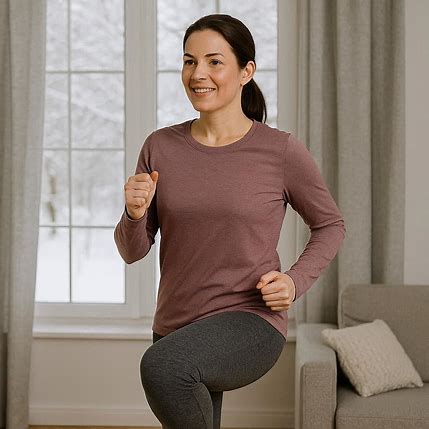
Home workouts remove weather-related excuses and save time.
Lower Body Exercises
- Lower body strength supports balance and daily movement.
- Squats
- Chair sit-to-stands
- Static lunges
These exercises strengthen legs and improve stability.
Upper Body Movements
- Upper body strength helps posture and daily tasks.
- Wall push-ups
- Arm circles
- Resistance using water bottles
These movements are safe and beginner-friendly.
Core Stability Exercises
- Core strength supports the spine and posture.
- Standing knee raises
- Seated abdominal tightening
- Modified planks
Short sessions are more effective than long, irregular workouts.
Nutrition Tips to Stay Fit in Winter Naturally

Food plays a major role in winter wellness.
Eat Nutritious and Balanced Winter Foods
Winter is a crucial season for maintaining balanced nutrition. Colder weather often increases cravings for comfort foods, which can lead to overeating if not managed mindfully. While occasional indulgence is normal, regular meals should include fruits, vegetables, whole grains, and adequate protein.
Warm, home-cooked meals such as soups and stews can be both comforting and nourishing. Balanced nutrition supports energy levels, digestion, and overall wellness throughout winter.
Focus on Warm and Nourishing Foods
Balanced winter meals should include:
- Seasonal vegetables
- Protein sources such as lentils, eggs, and dairy
- Healthy fats from nuts and seeds
- Warm fluids like soups and herbal teas
- Warm meals help digestion and comfort during cold weather.
Stay Hydrated Even When You Feel Less Thirsty
During winter, people often drink less water because thirst signals decrease in colder temperatures. However, hydration remains essential for proper body function.
In addition to drinking sufficient water, warm beverages such as herbal teas can help maintain hydration while keeping the body warm. Staying hydrated supports digestion, skin health, and overall energy levels during winter.
Practice Mindful Eating
Winter often increases cravings. Instead of strict restriction:
- Eat slowly
- Control portion sizes
- Limit processed snacks
- Mindful eating supports energy balance without stress.
Staying Consistent When the Weather Is Cold

Consistency is more important than intensity.
Use Habit Anchors
- Attach workouts to daily habits:
- Stretch after waking up
- Walk after meals
- Relax with yoga before sleep
Accept Low-Energy Days
On difficult days, even 5 minutes of movement is valuable.
Create a Comfortable Indoor Space
A small, warm workout area reduces resistance to movement.
Winter Fitness for Different Age Groups
Beginners
Beginners should focus on:
- Simple movements
- Proper form
- Gradual progress
Working Adults
Short, efficient routines fit busy schedules better than long workouts.
Older Adults
Balance exercises, gentle stretching, and walking help maintain independence and mobility.
Winter Wellness Beyond Exercise
Fitness is not only physical activity.
Practice Self-Care for Mental and Emotional Well-Being
Shorter days and reduced sunlight can impact mood and energy during winter. Taking care of mental health is just as important as physical fitness.
Self-care can include simple activities such as reading, listening to music, spending time with pets, practicing yoga or meditation, or taking warm baths. These activities help reduce stress, improve relaxation, and support emotional balance.
Adequate rest and quality sleep are also essential components of winter wellness.
Importance of Sunlight Exposure
Even brief outdoor exposure supports natural body rhythms.
Sleep Quality in Winter
Cold weather increases the need for quality sleep. A regular sleep routine supports recovery.
Stress Reduction
Breathing exercises, light stretching, and quiet time help manage seasonal stress.
10 Practical Tips on How to Stay Fit in Winter
Learning how to stay fit in winter is about consistency, balance, and choosing routines that fit your lifestyle.
- Manage stress effectively by practicing calm breathing and maintaining a positive mindset.
- Stay emotionally balanced by enjoying small daily activities that bring happiness.
- Get sufficient sleep, aiming for 7–8 hours each night to support recovery and immunity.
- Drink enough water daily, even when you don’t feel thirsty.
- Monitor calorie intake and avoid excessive high-calorie foods.
- Walk regularly, at least 30 minutes per day, to support heart health.
- Avoid smoking, especially during winter, to protect respiratory health.
- Schedule regular health check-ups to monitor seasonal health changes.
- Get adequate sunlight exposure for natural vitamin D support.
- Take care of your skin by moisturizing and staying hydrated to prevent dryness.
Frequently Asked Questions About Winter Fitness
Is it okay to exercise less in winter?
Yes, as long as you maintain regular movement.
Is walking enough during winter?
Yes, especially when combined with light strength exercises.
Can beginners stay fit at home?
Absolutely. Home workouts are safe and effective.
How do I prevent winter weight gain?
Daily movement and balanced meals are key.
How can I stay motivated to exercise during the winter?
Staying motivated to exercise during winter can feel difficult due to cold weather, shorter days, and lower energy levels. One effective approach is to set realistic and achievable goals rather than aiming for perfection. Creating a simple workout schedule and sticking to it helps build consistency over time.
Finding a workout partner or joining a group activity can also improve accountability and make exercise more enjoyable. Additionally, trying new forms of movement—such as indoor workouts, yoga, or light strength training—can prevent boredom and keep your routine fresh and engaging.
Is it necessary to adjust my diet during winter?
Yes, making small adjustments to your diet during winter can support overall health and energy levels. During colder months, the body often craves heavier foods, so focusing on balanced meals is important. Including seasonal fruits, vegetables, whole grains, and protein-rich foods helps maintain proper nutrition.
Warm, home-prepared meals can also improve digestion and comfort. Rather than following strict dietary rules, aim for consistency and mindful eating throughout the season.
Can winter sports and activities be suitable for beginners?
Winter sports and activities can be suitable for beginners when approached safely and gradually. Starting with beginner-friendly options such as ice skating or basic skiing lessons allows individuals to build confidence and skills over time.
Seeking guidance from trained instructors and using proper safety equipment is recommended. Beginners should progress at their own pace and choose activities that feel enjoyable rather than overwhelming.
How can I support my immune system during winter?
Supporting the immune system during winter involves maintaining healthy daily habits. Regular physical activity, balanced nutrition, sufficient sleep, and stress management all contribute to overall wellness.
Practicing good hygiene and staying active helps the body adapt to seasonal changes. If considering supplements, it is advisable to consult a healthcare professional before use. Simple lifestyle habits often play a larger role than any single supplement.
What can I do to prioritize my mental well-being during winter?
Mental well-being is especially important during winter when reduced daylight and colder weather can affect mood. Engaging in activities that promote relaxation—such as reading, listening to music, meditation, or gentle stretching—can help reduce stress.
Staying socially connected with friends and family, even through virtual interactions, supports emotional balance. If feelings of stress or low mood persist, seeking professional guidance is always a positive step.
Gentle yoga practices can be especially helpful for relaxation and recovery during winter evenings.
A Simple 7-Day How to Stay Fit in Winter Plan
Day 1–2: Light walking and stretching
Day 3–4: Home workout and mobility
Day 5–6: Yoga and breathing exercises
Day 7: Rest and gentle movement
Repeat weekly.
Final Thoughts – Build Sustainable Winter Fitness Habits
Winter does not need to be a pause in your fitness journey. With small, consistent actions, winter can become a season of balance and habit building. Focus on movement you enjoy, meals that nourish you, and routines that fit your lifestyle.
When spring arrives, you will not be starting again—you will already be stronger, more active, and more confident.

Disclaimer:
The information provided in this article is for general educational and informational purposes only. It is not intended as medical, fitness, or professional advice. Always consult a qualified healthcare or fitness professional before starting any new exercise or wellness routine.
Fitness Mantram aims to share reliable and practical information to support healthy lifestyle choices, but individual needs and conditions may vary.
7 thoughts on “How To Stay Fit In Winter-10 Tips To Stay Fit In Winter”